
Subsea control modules · LNG & cryogenic process control · low-temp instrumentation

Control
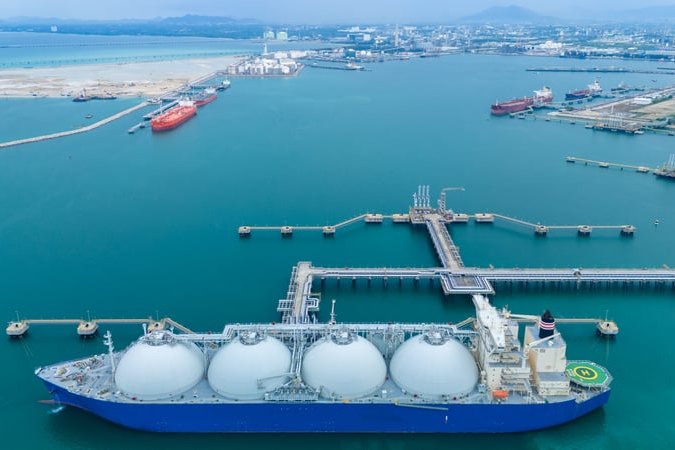
Subsea rotating machinery and cryogenic process equipment are two of the most demanding control engineering environments in industrial service, and the fundamental challenge is the same: standard control equipment, sensors, valves, actuators, wiring, enclosures, was designed for ambient temperature, surface pressure. In subsea applications, equipment operates at hydrostatic pressures that can exceed 300 bar, in near-freezing seawater, with no maintenance access between planned intervention campaigns. In cryogenic service, temperatures below -100 degrees C cause standard elastomeric seals to lose flexibility, carbon steel to become brittle, and standard electronic components to exceed their rated operating range.
We bring the materials engineering, electronic component qualification, and control system design expertise to engineer systems that are genuinely reliable in these extreme environments, not systems designed for ambient conditions and adapted with post-design reviews. Our subsea and cryogenic designs begin with the environmental requirements and work outward from them to select qualified materials, components, and designs, and we develop the control logic to IEC 61131-3 so proven strategies deploy on the platform that best fits your lifecycle, with full logic access and no license walls.
The Problem
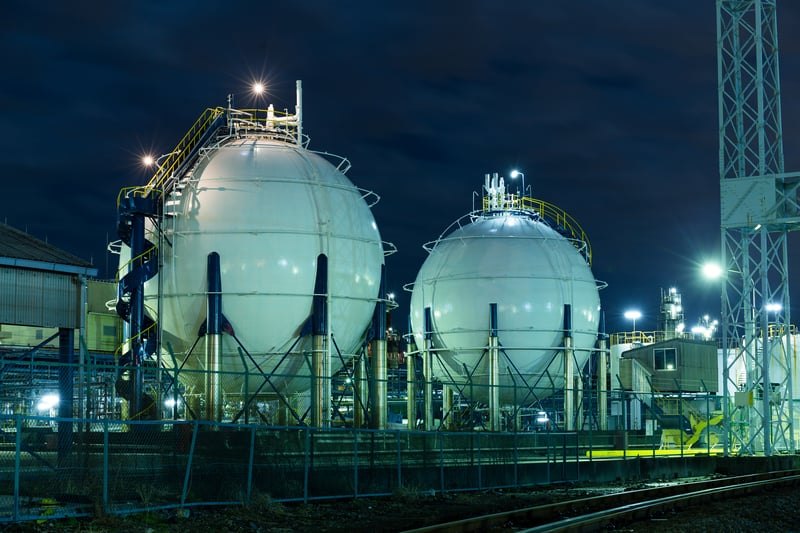
The consequences of a control system failure in an extreme environment are dramatically magnified compared to surface applications. A subsea control failure on a compressor at 1,500 meters means a production shutdown that will not be resolved until an ROV intervention or a full subsea workover, potentially $5–20M for the intervention alone, before the deferred production value. In a cryogenic LNG application, a valve actuator failure at -160 degrees C means a plant shutdown while the valve is warmed up, repaired, and returned to service, a multi-day event with significant production loss.
The failure modes are specific to the environment. Subsea electronics fail from hydrostatic pressure differential deformation, seawater ingress through inadequate pressure compensation, low-temperature de-rating, and biofouling. Cryogenic components fail from brittle fracture of carbon steel, loss of seal flexibility, ice formation on external valve surfaces, and thermal-cycling stress. Standard industrial design practices do not address these: they require the specific engineering responses we have developed through real experience in these environments.
Capabilities
We specify and qualify control system components for cryogenic service, covering the full operating range from ambient to -196 degrees C for liquid nitrogen service. Component selection addresses materials of construction (stainless steel, Invar, and aluminum alloys for low-temperature ductility), electronic component temperature de-rating (many commercial electronics are rated only to -40 degrees C, requiring specifically qualified low-temperature components for colder service), and seal material selection (PTFE, Viton Extreme, and other elastomers qualified for low-temperature flexibility). Material qualification testing results are documented in the component data package.
Subsea valve actuators are typically hydraulic, with control fluid supplied from the topside hydraulic power unit through a flexible umbilical. We design the topside hydraulic power unit, the umbilical interface panel, and the subsea valve actuator control logic as an integrated system, ensuring the hydraulic supply pressure and flow capacity at the topside end is adequate to operate all subsea actuators simultaneously at the rated actuation speed, accounting for the hydrostatic head and umbilical pressure loss at the rated water depth.
We design subsea control modules for installation on subsea trees, manifolds, and equipment modules at water depths to 3,000 meters. The design addresses hydrostatic pressure compensation (using oil-filled, pressure-compensated electronics housings), connector and penetrator qualification for long-term subsea service, corrosion resistance in seawater environments, and the reliability requirements imposed by long intervention intervals, typically 2 to 5 years between planned interventions.
Subsea equipment that may require manual intervention by an ROV must provide accessible interface panels that an ROV manipulator arm can engage. We design ROV interface panels with ROV-operable override valves, electrical wet-mate connectors, and mechanical override provisions for subsea valve actuators, allowing trained ROV operators to override the control system and operate individual valves manually during intervention campaigns. ROV interface design follows the industry standards for underwater tool interface and connector compatibility.
Standard electronics enclosures cannot withstand deep-water hydrostatic pressure without deformation that damages internal components and connections. Pressure-compensated enclosures maintain internal pressure at or slightly above the external hydrostatic pressure through a compensator mechanism, a flexible membrane or piston that transmits external pressure into a compatible, non-conductive internal fluid, eliminating the pressure differential that would otherwise crush the enclosure. We design and qualify pressure-compensated electronics enclosures for each application's rated water depth, with hydrostatic pressure testing to 1.5 times rated water depth as standard acceptance testing.
Control signals, power, and hydraulic fluid are transmitted from the topside control system to the subsea equipment through an umbilical, a bundled cable and hydraulic hose assembly that may be several kilometers long. We design the topside-to-subsea signal transmission system accounting for umbilical signal attenuation, electrical noise in long cable runs, and the topside hydraulic system pressure and flow requirements imposed by the umbilical length and the subsea actuator demand. Umbilical termination panels at both the topside and subsea ends are designed and tested as part of the control system scope.
Control valves in cryogenic service, LNG, liquid nitrogen, liquid oxygen, and liquid argon, require actuators and position feedback devices qualified for operation at the cryogenic service temperature. We specify cryogenic-qualified pneumatic and electric actuators, position transmitters with low-temperature-rated electronics, and positioner designs that can operate reliably with the reduced flexibility of cryogenic-compatible seal materials. Ice prevention on external valve and actuator surfaces, through insulation, heat tracing, or dry nitrogen blanket, is also addressed in the installation design.
The topside interface panel for a subsea control system integrates all subsea monitoring signals, hydraulic power unit controls, umbilical junction, and the SCADA/DCS interface into a single operator workstation for subsea field control. We design topside interface panels that provide the operator with complete visibility into the subsea equipment status, valve positions, pressures, temperatures, and alarms, from a topside control room, with remote operation capability for all controllable subsea functions. Interface design follows industry standard subsea control system architectures where applicable.
Why Innova Technologies
Technical Resources
FAQ
Exhaust temperature and its distribution around the turbine are a practical indicator of combustion health, so multi-thermocouple exhaust monitoring is a common part of the protective scope. Innova Technologies integrates arrays of exhaust thermocouples to measure both average exhaust temperature and the spread between individual sensors, which can reveal a burner or fuel-nozzle problem before it becomes damaging. Alarm and protective action can be configured on excessive spread as well as on high average temperature, with individual thermocouple failures detected and annunciated. Presenting this data in the same HMI and historian as the vibration and speed functions gives operators a single, consistent view of machine condition.
Independent control for every turbine class.
Anti-surge, loadshare, performance, and capacity control.
Featured
Don’t see your industry?
If your equipment runs and your downtime costs more than the controls do, let’s talk
Single-source
A MESSAGE FROM JOHN KAZOUR, CEO
To our customers and partners,
For more than 50 years, our team has helped customers keep critical operations running. We built our reputation as Petrotech by taking responsibility for control systems on important rotating machinery.
As more industries came to us with similar challenges across power generation, compression, and hydro applications, our engineering team kept finding ways to solve them. Eventually, the business outgrew the Petrotech name.
We are entering our next chapter as Innova Technologies. The new name reflects the full scope of our work as a rotating machinery control systems specialist. We engineer controls around the machine, deliver complete projects from design through commissioning, and provide support that stays with the problem until it is solved.
Our name is changing, but the people, engineering experience, and commitment behind the work continue. Our responsibility to active projects and installed systems carries forward under the Innova Technologies name. Your current contacts remain the right place to start, and we will communicate directly if an administrative record requires an update.
We appreciate the trust you have placed in us over the decades, and we look forward to continuing that work as Innova Technologies.
CEO, Innova Technologies