
Precise speed & load control · wicket-gate governing · grid-support & black-start
Modernize aging hydro turbine governors with precise digital speed and load control, coordinated hydraulic actuator control, and grid support for reliable, efficient hydroelectric generation.

Control
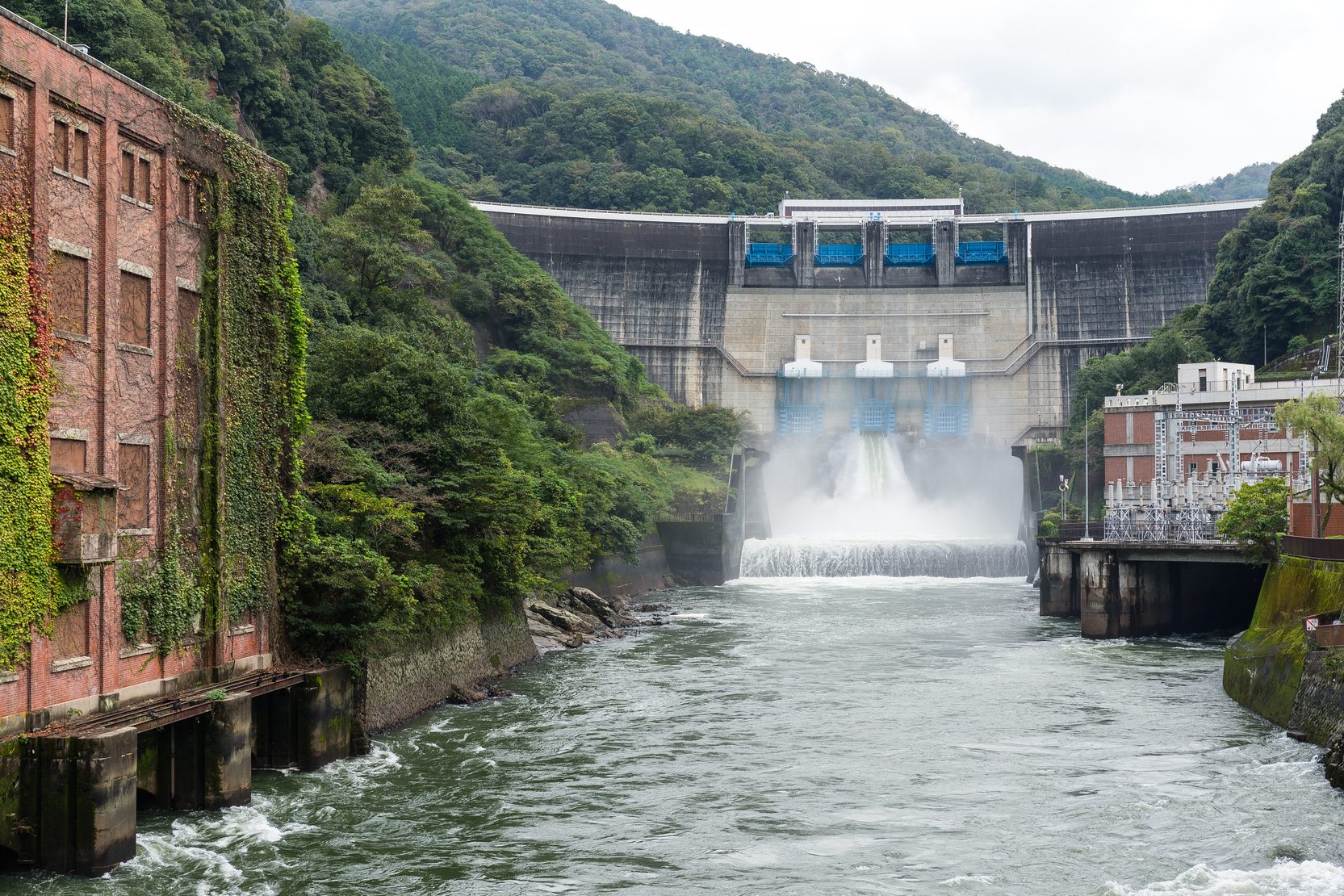
Hydroelectric generating units often operate in remote locations where reliable turbine control is essential for dependable plant operation and stable grid performance. We design hydro turbine control systems to match each installation’s turbine type, operating objectives, and grid requirements, delivering precise speed and load control, reliable frequency regulation, and support for plant operating modes, including black-start applications where required.
Our governing solutions have been applied across a wide range of hydraulic turbine types, including Francis, Kaplan, Pelton, cross-flow, and pump-turbine installations. Control strategies are engineered and tuned to the operating characteristics of each unit to provide stable performance under changing operating conditions. All systems are developed in accordance with IEC 61131-3 standards, providing plant owners with an open, documented control platform with full access to application logic and the flexibility to modernize hardware without proprietary software restrictions.
The Problem
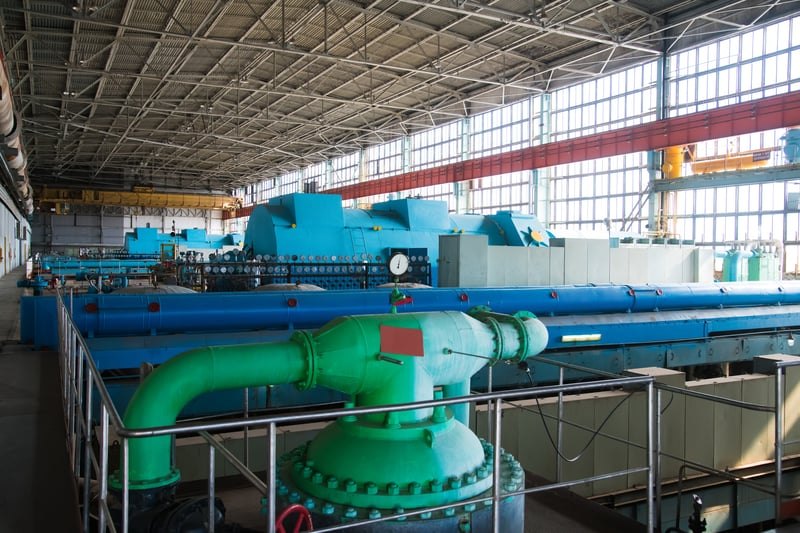
Many hydroelectric generating units continue to operate with governor systems installed decades ago. While these systems have provided years of reliable service, aging mechanical governors, early electronic controls, and first-generation PLC-based systems are becoming more difficult to maintain, support, and integrate with modern plant automation. They may also lack the performance, diagnostics, and cybersecurity features expected in today’s generating facilities.
Modernizing a hydro governor involves more than replacing obsolete hardware. It requires a thorough understanding of the turbine, hydraulic actuator system, and the operating objectives of the plant to develop stable, responsive control under all normal operating conditions. Our engineers combine hydroelectric process knowledge with modern control system design to deliver governor upgrades that improve reliability, maintainability, and long-term operational performance.
Capabilities
Our hydro governor control systems provide digital speed governing with configurable PID control, droop settings, deadband, and response characteristics tailored to the requirements of the facility. During commissioning, control parameters are adjusted to match the operating characteristics of the turbine and actuator system, helping ensure stable governing performance and reliable response to changing load and grid conditions.
For Kaplan (adjustable-blade) turbines, we implement coordinated gate-blade control using a configurable cam relationship based on the OEM-recommended gate-blade schedule and the turbine's efficiency characteristics. The cam relationship can be refined from OEM data, existing settings, and operating experience. Blade angle control is provided through closed-loop position control with servomotor interfaces and blade angle position feedback.
The governor output drives the wicket gate or needle valve servomotor through closed-loop position control to account for actuator deadband, hysteresis, and nonlinearity. Our systems support both analog and digital servomotor interfaces, with position feedback from LVDT, resolver, or encoder devices. Opening and closing rate limits can be configured in accordance with turbine OEM recommendations, actuator capabilities, and site operating requirements to support reliable hydraulic system operation.
Operating outside turbine cavitation limits can cause runner damage and reduce efficiency over time. Our governors can implement operating limits and load control strategies based on OEM recommendations and the turbine's published operating characteristics, helping keep the unit within its approved operating envelope. Automatic load limiting and derating functions protect the runner while maximizing available energy production under varying head and operating conditions. We apply the OEM-defined limits and turbine characteristics rather than performing independent hydraulic studies to derive them.
Remote automatic generation control (AGC) interfaces allow the governor control system to receive MW setpoint commands from the grid operator's energy management system, automatically adjusting turbine gate position to meet the dispatch target. Our governors implement power regulation modes, where MW output is directly controlled, as well as gate position control and speed/frequency droop modes, with bumpless transfer between modes.
Hydro units are frequently designated as black-start resources for grid restoration. Our control systems support black-start operation, including startup on isolated auxiliary power, stable house-load operation, and controlled loading as portions of the electrical system are restored. Integrated control logic and interlocks help ensure safe, reliable, and repeatable execution of utility restoration procedures.
Our control systems provide the precise turbine speed control required for generator synchronization, allowing the unit to be brought smoothly within synchronizing limits. Both dead-bus and live-bus synchronizing modes are supported through integration with automatic synchronizers, voltage regulation systems, and switchgear equipment, with check-synchronism protection preventing breaker closure outside acceptable limits.
Our hydro plant control systems include native SCADA integration through industry-standard protocols, DNP3, Modbus TCP, IEC 61850, and OPC-UA. Remote monitoring and supervisory control functions are implemented with security access controls that support the customer's NERC CIP compliance program where applicable. Historical data logging supports the customer's regulatory reporting and performance analysis requirements.
Why Innova Technologies
Hydro turbine governors succeed not because of modern electronics and competent programming, but because the control strategy accounts for the dynamics of the turbine, waterway, and hydraulic actuator systems. We understand both.
Governor Configuration and Tuning
Successful hydro governor modernization requires more than replacing obsolete hardware. We review OEM documentation, existing governor settings, turbine characteristics, and hydraulic actuator performance to configure the control system for each application. During commissioning, governor tuning is refined to provide stable speed regulation, responsive load control, and reliable performance across the turbine’s operating range.
OEM-Independent Engineering
Our engineering approach is independent of any hydro turbine manufacturer, allowing us to modernize governor systems across a wide range of turbine designs. We have delivered governor upgrades for Francis turbines from Voith, Allis-Chalmers, Hitachi, and Kvaerner; Pelton turbines from GE and ANDRITZ; Kaplan turbines from multiple European and Asian manufacturers; and small hydro installations supplied by numerous OEMs.
Hydroelectric facilities face increasing cybersecurity requirements for generation and critical infrastructure assets. We design control systems with secure architectures that incorporate network segmentation, access control, event logging, and secure remote access where required. We also provide the control hardware, networking equipment, system configuration, and documentation needed to support the customer’s cybersecurity program.
Responsibility for regulatory compliance, including NERC CIP where applicable, remains with the asset owner. Our role is to engineer the control system in accordance with the project requirements and implement the specified cybersecurity measures; we do not perform compliance audits or certification.
Remote and Difficult-Access Site Experience
Many hydroelectric plants are located in remote areas where site access is limited and commissioning opportunities are carefully planned. Our project approach emphasizes thorough engineering, comprehensive Factory Acceptance Testing, and fully assembled, pre-tested control panels to reduce field work and minimize commissioning risk.
When site support is required, our commissioning engineers have experience working in remote operating environments and understand the importance of resolving issues efficiently. The objective is straightforward: complete commissioning successfully while minimizing repeat site visits and project delays.
Hydroelectric generating assets are expected to remain in service for decades. Our IEC 61131-3 development approach provides an open, hardware-independent control platform that can be maintained, upgraded, and expanded as technology evolves without unnecessary dependence on proprietary software or hardware.
To support long-term reliability, we provide spare parts management, preventive maintenance programs, software lifecycle support, and ongoing technical assistance to help customers maximize the value of their control system investment.
Technical Resources
FAQ
In many cases, yes. Governor modernization projects are typically planned to coincide with scheduled maintenance outages to minimize operational disruption. The new control system is assembled, configured, and Factory Acceptance Tested before shipment, reducing the amount of field installation, wiring, and commissioning required on site.
For most projects, work is limited to the governor control system and does not require dewatering the penstock or accessing the turbine runner. If the project includes modifications to the wicket gate servomotor, blade actuator, or other hydraulic components, additional mechanical work may be required. We review the scope during the engineering phase and develop an installation plan that aligns with the plant’s outage schedule.
Yes. We can supply both the hydro turbine governor and the automatic voltage regulator (AVR) or excitation control system as part of a single project. Delivering both systems under one scope simplifies engineering, integration, Factory Acceptance Testing, and commissioning while providing coordinated control of active and reactive power. Integrated governor and excitation control systems are available for both new hydroelectric installations and modernization projects. A single-source approach also provides one point of responsibility for system design, testing, and long-term support.
Cybersecurity requirements vary by location, utility, and regulatory framework. In North America, hydroelectric facilities that fall under the North American Electric Reliability Corporation (NERC) Critical Infrastructure Protection (CIP) standards must implement cybersecurity measures appropriate to their asset classification. Requirements commonly affecting control systems include network security, system hardening, access control, configuration management, and event logging. We design control system architectures to support the project’s cybersecurity requirements, including secure network segmentation, user access management, and system documentation. Where NERC CIP applies, we provide the control system design, configuration, and documentation needed to support the owner’s compliance program, while responsibility for regulatory compliance and audits remains with the asset owner.
Yes. We design control systems for reversible pump-turbine units that manage the complete operating cycle, including turbine startup, load operation, shutdown, mode transfer, and pump startup. Control strategies are configured to match the plant’s equipment and operating philosophy, including synchronized, static frequency converter (SFC)-assisted, or other project-specific starting methods where required. The control system coordinates the sequence of operations for each operating mode while maintaining protective interlocks and continuous monitoring throughout every transition. This integrated approach helps ensure safe, reliable operation in both generating and pumping service.

Governor and mode-transition control for reversible pump-turbines across the full generating and pumping operating cycle.
Reversible pump-turbines require coordinated control of generating, pumping, and mode-transition sequences within a single governing system. We design governor and sequence control that manages wicket gate positioning, unit sequencing, and transitions between operating modes while accounting for hydraulic system dynamics, including water-column and penstock effects throughout the operating cycle.
Modern pumped-storage facilities play an increasingly important role in grid stability and renewable energy integration. Our control systems can be configured to support frequency regulation, rapid load response, black-start applications where required, and other project-specific operating requirements, with control strategies tailored to each unit and plant
Independent control for every turbine class.
Anti-surge, loadshare, performance, and capacity control.
Featured
Don’t see your industry?
If your equipment runs and your downtime costs more than the controls do, let’s talk
Single-source
A MESSAGE FROM JOHN KAZOUR, CEO
To our customers and partners,
For more than 50 years, our team has helped customers keep critical operations running. We built our reputation as Petrotech by taking responsibility for control systems on important rotating machinery.
As more industries came to us with similar challenges across power generation, compression, and hydro applications, our engineering team kept finding ways to solve them. Eventually, the business outgrew the Petrotech name.
We are entering our next chapter as Innova Technologies. The new name reflects the full scope of our work as a rotating machinery control systems specialist. We engineer controls around the machine, deliver complete projects from design through commissioning, and provide support that stays with the problem until it is solved.
Our name is changing, but the people, engineering experience, and commitment behind the work continue. Our responsibility to active projects and installed systems carries forward under the Innova Technologies name. Your current contacts remain the right place to start, and we will communicate directly if an administrative record requires an update.
We appreciate the trust you have placed in us over the decades, and we look forward to continuing that work as Innova Technologies.
CEO, Innova Technologies