
Efficient generator operation requires a clear understanding of load sharing and load balancing. This article explores the concepts of load sharing vs load balancing in generators, as well as their importance in multi-generator systems.
What is Load Sharing?
Load sharing refers to the distribution of electrical load among multiple generators operating in parallel. It ensures that each generator contributes proportionally to the total load demand.
This process is essential in systems where multiple generators serve in powering a single electrical grid or facility. By sharing the load, the system can handle higher power demands efficiently without overburdening any single generator.
Generator Load Sharing Principles
Certain principles govern generator load sharing to ensure the efficient and proportional distribution of electrical load among multiple generators operating in parallel. These principles are critical for maintaining system stability, reliability, and optimal performance. The following sections highlight some of these key principles.
Synchronization
Generators must operate at the same frequency, voltage, and phase angle before sharing a load. Synchronization ensures seamless operation, preventing power fluctuations or system damage. Specialized equipment is used to match these parameters.
Proportional Load Distribution
The load is distributed among generators based on their capacity. For example, two generators with equal capacity each carry 50% of the load. Larger-capacity generators handle a greater share, preventing overloading and ensuring balanced operation.
Real-Time Load Monitoring and Adjustment
Advanced control systems continuously monitor and adjust the load on each generator in real-time. Sensors and algorithms ensure balanced distribution, reducing output on overloaded generators and increasing it on others to maintain equilibrium.
Droop Control
Droop control adjusts generator output based on frequency changes. When load increases, frequency drops, and generators increase output. When load decreases, frequency rises, and generators reduce output. This method stabilizes the system as well as prevents power fluctuations.
Isochronous kW and kVAR Load Sharing
Control systems calculate both real power (kW) and reactive power (kVAR) to determine each generator’s load percentage. This ensures comprehensive load management across the system and also maintains constant frequency.
Communication Between Generators
Modern generators communicate with each other to share load information. This coordination ensures all generators know the total load and their respective shares.
Redundancy and Fault Tolerance
Load sharing systems are designed with redundancy. If one generator fails or is offline, then the others automatically adjust to take on the additional load. Hence, ensuring an uninterrupted power supply and enhancing system reliability.
Benefits of Load Sharing
Load sharing offers significant advantages in multi-generator systems, with some of these benefits as follows:
- Reliability: The system ensures continuous power supply with multiple generators operating in parallel. If one generator fails, the load automatically shifts to the others, preventing downtime.
- Efficiency: By distributing the load evenly, generators operate at their optimal capacity. This reduces fuel consumption and lowers operational costs, therefore, making the system more cost-effective.
- Extended Equipment Lifespan: Load sharing prevents overloading of individual generators, thus, reducing wear and tear. This extends the lifespan of the equipment and also minimizes the risk of unexpected failures.
- Redundancy and Backup: In the event of a generator failure, the remaining units can compensate, hence, ensuring an uninterrupted power supply. This is particularly critical in industries where power outages can lead to significant losses.
- Scalability: Load sharing allows for easy expansion of power systems. Additional generators can be added to the network as demand grows, without disrupting existing operations.
Applications
Load sharing is common in various industries and environments where reliable as well as efficient power distribution is essential. Key applications include:
- High-Power Demand Industries: Industries such as data centers, hospitals, and manufacturing plants rely on load sharing to meet their high power demands.
- Remote Locations: In areas with limited power infrastructure, load sharing ensures a stable power supply. For example, remote mining sites, oil rigs, and rural communities.
- Renewable Energy Systems: Load sharing is essential in hybrid power systems that combine renewable energy sources like solar with traditional diesel generators. It balances the power output from multiple sources, ensuring consistent energy supply.
- Emergency Backup Systems: Load sharing is a key component of backup power systems, providing redundancy and also ensuring uninterrupted power during outages or emergencies.
Generator Load Balancing
Load balancing equalizes the workload across multiple generators to prevent any single generator from being overloaded. Unlike load sharing, which focuses on proportional distribution, load balancing aims for uniformity in workload. This can be achieved through various methods, including manual adjustments or automated control systems.
Load balancing controllers constantly monitor each generator’s output. They adjust fuel input and excitation to maintain balanced operation. Modern systems use microprocessor-based controls for precise balancing.
Benefits of Load Balancing
Load balancing is crucial in optimizing the performance of generator systems. By ensuring that each generator operates within its designed capacity, load balancing offers several key benefits.
- Improved Fuel Efficiency: Load balancing ensures generators run at their optimal load levels, thus, reducing fuel consumption and lowering operational costs.
- Reduced Wear and Tear: By preventing overloading or underloading, load balancing minimizes stress on generator components, extending their lifespan and reducing maintenance requirements.
- Enhanced System Stability: Load balancing prevents voltage fluctuations and frequency variations, ensuring consistent power quality and reliable operation.
- Lower Maintenance Costs: Balanced loads reduce unnecessary strain on generators, leading to fewer breakdowns and lower repair expenses over time.
- Increased Reliability: By distributing the load evenly, load balancing ensures that no single generator is overburdened. This enhances the overall reliability of the power system.
Load Sharing vs Load Balancing in Multi-Generator Systems
Although load sharing vs load balancing both contribute to reliable power generation, they have fundamental differences as the following table highlights.
| Aspect | Load Sharing | Load Balancing |
| Definition | Distributes load proportionally among generators on the basis of their capacity. | Ensures each generator carries an equal or optimal load for efficiency. |
| Main Objective | Prevents overloading of a single generator by distributing power demand. | Achieves equal power distribution to optimize performance and also minimize stress. |
| Operational Principle | Uses droop control, isochronous control, or supervisory control to allocate load. | Employs advanced controllers to maintain equal power output across units. |
| Control Parameters | Focuses on kW, kVAR, voltage, and frequency. | Monitors runtime hours, wear indicators, and load percentage. |
| Implementation Timing | Initial distribution when generators are paralleled. | Continuous fine-tuning throughout system operation. |
| Control Systems | Uses synchronization and load sharing controllers. | Employs load management and rotation algorithms. |
Best Practices
To ensure optimal generator performance, consider the best practices below.
For Load Sharing:
- Use synchronized control systems to ensure generators share loads proportionally.
- Implement droop control to maintain stability without direct communication between generators.
- Regularly monitor governor and also AVR settings to maintain proper power distribution.
For Load Balancing:
- Distribute electrical loads evenly across all three phases.
- Use automatic load-balancing transformers in facilities with fluctuating loads.
- Conduct periodic system audits to detect and correct imbalances before they cause equipment damage.
By following these best practices, operators can maximize efficiency, minimize energy waste, and extend the lifespan of their generator systems.
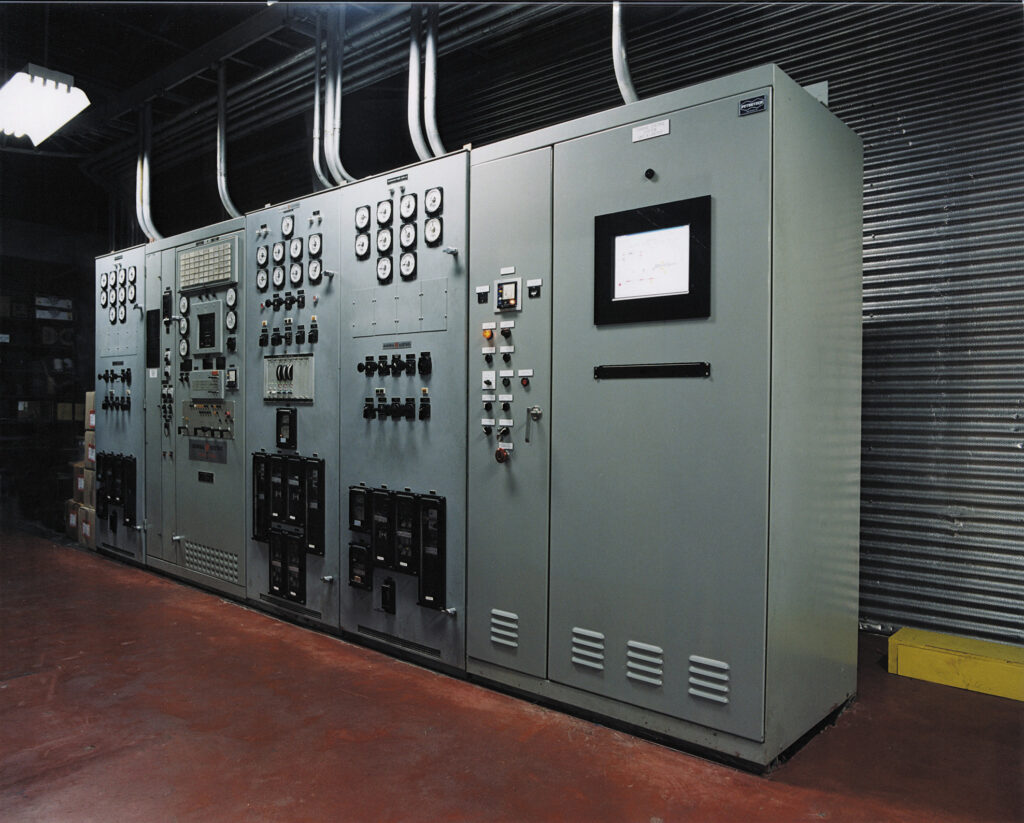
Generator Control Solutions at Petrotech
No matter what your generator control needs are, load balancing vs load sharing, Petrotech has the right solutions for you. We offer comprehensive design solutions as well as top-notch installation, commissioning, and supervisory services. Contact us today to discuss your power generation requirements and discover how our expertise can enhance your system.